
A bank transfer is one of the easiest ways to send or receive money today. Businesses use it to pay vendors, run payroll, and cover regular expenses. People use it for things like paying bills, rent, or sending money to friends and family.
Even with new payment apps and digital tools, bank transfers remain a trusted method because they move money directly between bank accounts. Understanding how bank transfers work can help businesses and individuals manage payments more efficiently.
What Is a Bank Transfer and Why It Matters
A bank transfer moves money electronically from one account to another. Instead of dealing with cash or checks, your funds go safely and smoothly through the banking system.
For businesses, bank transfers are essential for daily operations. They help with payroll, supplier payments, taxes, and other financial tasks. For individuals, they make it easy to send money, pay bills, and manage online purchases.
Since bank transfers create a digital record, they also support accounting, auditing, and financial tracking.
How Bank Transfers Work in Simple Terms
You just enter the other person’s bank details, your bank sends the money, and their bank adds it to their account.
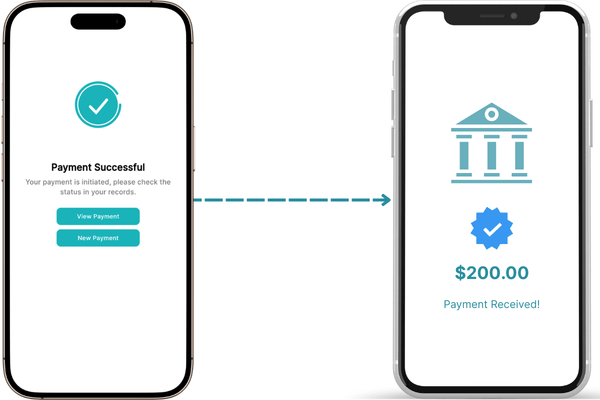
A transfer can be instant or take a couple of days. It really comes down to the bank, the country, and the kind of transfer you’re making.
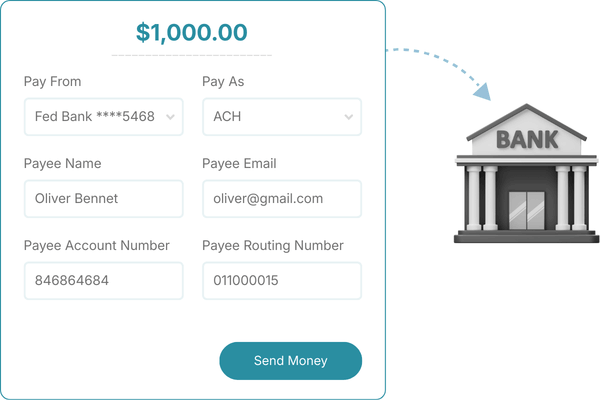
Types of Bank Transfers
- Domestic Bank Transfers
Paying people in your own country is super easy. You can handle bills, pay vendors, or send your team their salary without any fuss. Most of the time, the money shows up fast, and it won’t cost you much.
- International Bank Transfers
International transfers send money across borders. Businesses use them to pay vendors, contractors, or partners overseas. Since the money might need to be converted into another currency and go through extra checks, it can take a bit longer and cost a little more.
- Automated Bank Transfers
Automated transfers are scheduled to run automatically. Companies use them for payroll, rent, subscriptions, and recurring expenses. Automation reduces manual work and missed payments.
- Recurring Bank Payments
Recurring payments are set up for regular charges such as utilities, software subscriptions, and service fees. They make it easy for businesses to handle regular expenses without having to do everything manually.
Benefits of Using Bank Transfers
Using bank transfers is simple and helpful, whether you’re running a business or just sending money personally.
Your money stays secure because banks carefully check every transaction and keep an eye on any unusual activity. Many domestic transfers are processed quickly, which helps improve cash flow.
Bank transfers are often cost effective, especially for large payments. They also reduce paperwork and manual data entry, which lowers the chance of errors.
Another key benefit is record keeping. Every transfer shows the details you need, so keeping track of payments, handling accounts, and preparing reports is much easier.
Common Use Cases for Bank Transfers
Businesses use bank transfer for many daily operations. Vendor and supplier payments are common, especially for B2B transactions. Payroll is another major use case, especially for companies with employees and contractors.
Bank transfers are also used for refunds, reimbursements, tax payments, and internal fund transfers. Companies with global operations rely on international transfers to pay overseas partners and teams.
Individuals use bank transfers for rent, tuition fees, loan repayments, and sending money to family members. People also use them widely for online purchases and subscriptions.
How FiChecks Supports Bank Transfers and More
FiChecks makes it easy for businesses and individuals to handle payments in their own way. Bank transfer is just one option, but many teams like having several ways to send money so they can pick what works best each time.
With FiChecks, users can create checks online and print them instantly. They can send checks by email as eChecks, which recipients can print and deposit like a traditional check. For physical delivery, you can mail checks through USPS or FedEx.
FiChecks also supports ACH payments, wire transfers, and digital wallet payments. This lets businesses choose the best payment method for each situation without locking themselves into one option.
Choosing the Right Bank Transfer Method
The right bank transfer method depends on what you need to pay. Use domestic transfers for local payments, international transfers for global transactions, and automated transfers to handle payroll or recurring bills effortlessly.
Businesses should also look at fees, how long transfers take, and any compliance rules they need to follow. Using a platform with multiple payment options makes it easy to adapt without switching tools or changing your workflow.
Best Practices for Managing Bank Transfers
When you send bank transfers, keep the right bank details for everyone you pay. Adding a short note to each payment makes it easy to remember what it was for and prevents confusion down the line.
Planning transfers ahead of time can help you avoid late payments and last minute stress. Checking fees and processing times once in a while can also help you cut unnecessary costs. Using one platform for all payments makes it much easier to track transactions and keep your records ready for audits.
Conclusion: Use Bank Transfers with Flexible Payment Tools
Bank transfers are still a go-to way to send money today. It is secure, reliable, and suitable for both business and personal use. Understanding how bank transfers work helps finance teams improve efficiency and reduce errors.
FiChecks lets you send money through bank transfers, checks, eChecks, ACH, wire transfers, digital wallets, and card payments. With all these options in one platform, businesses can simplify their payment process and stay in full control of their cash flow.