
Introduction
Moving money between accounts is just a basic part of daily life. Whether you are paying a supplier, sending quick cash to family, running corporate payroll, or tracking business expenses, a bank transfer is usually the easiest option. Most people and companies pick this method because it links accounts directly, skipping the old hassle of loose cash or paper tracking.
As financial habits shift, these digital transfers remain an absolute staple. They anchor personal budgets and high volume corporate demands with ease, giving everyone speed, safety, and a reliable digital trail.
What is a Bank Transfer
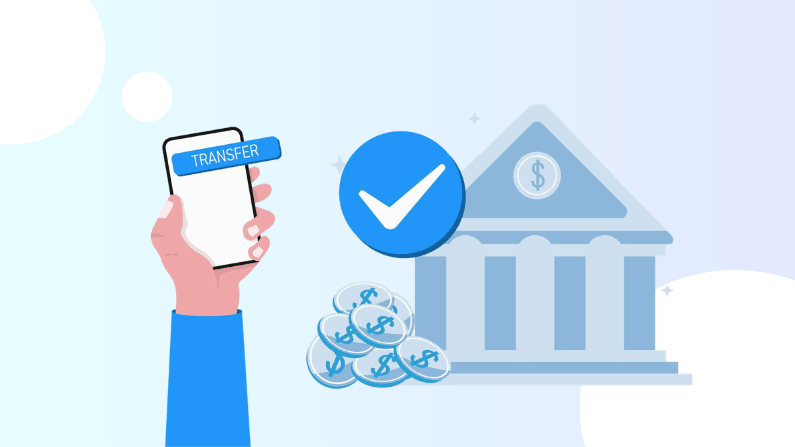
At its core, a bank transfer is just moving money electronically from one account to another. Instead of using physical checkbooks or paper cash, transactions clear securely through digital networks.
This setup lets you route funds straight to another person or business. Because these payments move exclusively through highly regulated banks, they are widely recognized as one of the safest ways to settle any balance.
Today, bank transfers power almost everything around us, from basic monthly utilities to massive global supply lines and company payrolls.
How a Bank Transfer Works
The whole process kicks off when you input the recipient’s details. Usually, you just need their exact account number, routing number, and the amount you want to send.
After double checking that the numbers match, you authorize the payment. Your bank then takes over, verifying the details before routing the funds through the clearing network.
Once approved, the money leaves your balance and drops into the other account. Depending on the service you choose, this takes anywhere from a few minutes to a couple of business days.
The recipient gets the funds directly into their balance, making the entire experience quick and effortless for both sides.

Types of Bank Transfers
Different everyday situations call for different ways of moving money.
- ACH transfers are the standard choice for automated business payroll, recurring bills, and everyday vendor invoices.
- Domestic transfers handle the day to day shifting of funds between accounts located inside the exact same country.
- International transfers allow capital to cross borders and bridge separate banking systems, which works well for foreign suppliers or sending cash to family overseas.
- Wire transfers prioritize pure speed and remain the top choice when you need to move large sums of money rapidly.
- Recurring transfers let you automate your budget by scheduling fixed, ongoing costs like monthly rent or active subscriptions.
- Business to business transfers keep corporate operations moving by smoothly handling raw material invoices and operational costs.
Benefits of Using a Bank Transfer
The standout feature of any bank transfer is sheer peace of mind. By passing money directly through secure bank networks, you bypass the clear vulnerabilities of physical cash.
These payments create a direct, account to account connection, stripping away unnecessary middle steps and saving you from tedious manual paperwork.
They are also incredibly convenient. You can launch a transfer right from your phone or laptop while sitting on your couch, completely avoiding a trip to a local bank branch.
For businesses, the built in transparency is a massive win. Every transaction automatically generates a digital receipt, making accounting, auditing, and tax reporting incredibly straightforward.
Ultimately, these tools help individuals and corporate teams stay organized while keeping their payment systems running smoothly.
Common Use Cases
You will find bank transfers quietly supporting a massive variety of everyday financial needs.
- Companies lean on them daily to distribute employee salaries, compensate independent contractors, and handle routine operational expenses.
- Landlords and tenants rely heavily on them for rent payments because they establish an undeniable, transparent record of payment history.
- E commerce brands use them to return funds to customers, while corporate teams use them to settle major enterprise contracts.
- Families use them to support students away at college, cover shared vacation costs, or assist relatives.
- Cross border transfers allow people to send money across the globe seamlessly, removing the need for physical payment methods entirely.
Bank Transfer vs Other Payment Methods
Compared to traditional paper checks, bank transfers win easily on speed and save you from printing, mailing, or driving to an ATM to deposit them.
Credit and debit cards are excellent for quick retail shopping, but bank transfers remain the preferred choice for heavy, high value commercial payments.
Digital wallets are fantastic for rapid peer to peer mobile splitting, while bank transfers are designed for structural movements straight between core accounts.
Cash is always good to have in a pinch, but it completely lacks the automated tracking and permanent record keeping you get digitally.
Wire transfers operate as a premium version of the standard transfer, optimizing specifically for speed while other formats focus on keeping transactional costs low.
Challenges and Considerations
Even though the system works beautifully, you still need to keep a few practical realities in mind.
Getting the recipient details exactly right is non negotiable, as an accidental typo can easily spark delays or cause routing headaches.
You should also watch out for potential service fees, which vary wildly based on your specific bank and the speed of the transfer.
Many retail banks impose daily or monthly transaction limits, particularly when you use their standard online portals.
Sending money globally typically brings extra regulatory paperwork and essential compliance steps into the mix.
Finally, smart business owners always keep these transfers meticulously organized to prevent headaches during monthly accounting reconciliation.
Security and Best Practices
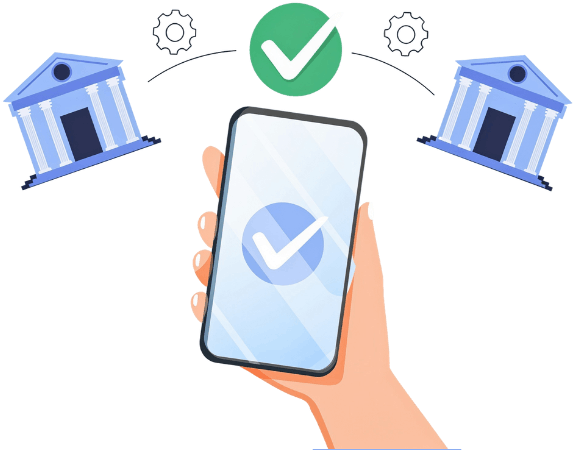
Modern electronic transfers deploy layered security systems to safeguard users and financial institutions alike.
Multi factor authentication ensures that only verified account owners can actually initiate a withdrawal. Meanwhile, heavy encryption shields sensitive financial data as it travels across networks.
Bigger banks also run continuous algorithmic monitoring to flag strange behaviors and intercept fraud before it happens.
As a user, your best defense is to always double check account numbers before hitting send and to keep your own clean records.
Setting up clear internal approvals and taking your time during review can completely eliminate simple errors and protect your cash flow.
FiChecks Integration
FiChecks steps in to help businesses and individuals organize their bank transfers alongside all their other payment channels in one dashboard.
Through the platform, users can write checks online, print them instantly, email them directly as secure eChecks, or let FiChecks handle the printing, packing, and mailing via USPS or FedEx.
The system simultaneously handles ACH, wire transfers, digital wallet, and both sides of traditional card processing.
By bringing these distinct tools under one roof, FiChecks gives you the agility and oversight needed to control exactly how capital flows in and out of your world.
Conclusion
A classic bank transfer remains one of the absolute safest ways to move capital between accounts. Its security, ease of use, and flexibility benefit both personal budgets and business books.
As financial habits shift, having a variety of payment avenues makes daily life significantly simpler. FiChecks simplifies bank transfers, organizing your checks, ACH, wires, digital wallet, and cards in one place.