
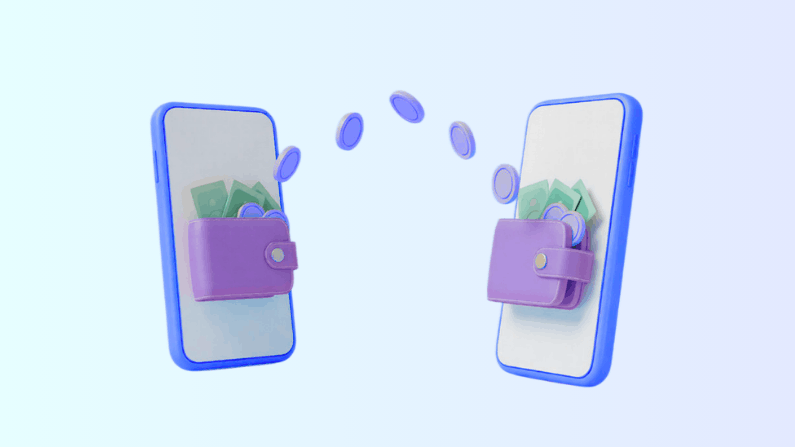
A digital wallet has become a familiar part of everyday payments. Businesses and individuals use it because it makes sending money easier, faster, and more organized. Instead of relying only on traditional payment methods, a digital wallet gives users a quick way to manage funds and make payments when needed.
For businesses, speed and control matter. Finance teams usually look for payment tools that help them avoid delays and make tracking easier. For individuals, the biggest advantage is how easy it feels. The main idea is simple, being able to move money quickly without extra steps getting in the way.
What Is a Digital Wallet?
A digital wallet is just a simple place to keep money online so it’s ready when you need to pay. Instead of starting a payment from scratch each time, you’re simply using the balance that’s already there.
Many people think digital wallets store sensitive banking information, but that is not always the case. In FiChecks, a digital wallet works differently. It is a funded balance that users top up and then use for instant payments. It does not store bank account details or card details.
You add money to the wallet once, and then payments become quick and easy because you are simply using the balance that’s already there.
How Digital Wallet Payments Work
Using a digital wallet is simple. You add money to your wallet first, and once the balance is ready, you can make payments right away whenever you need to.
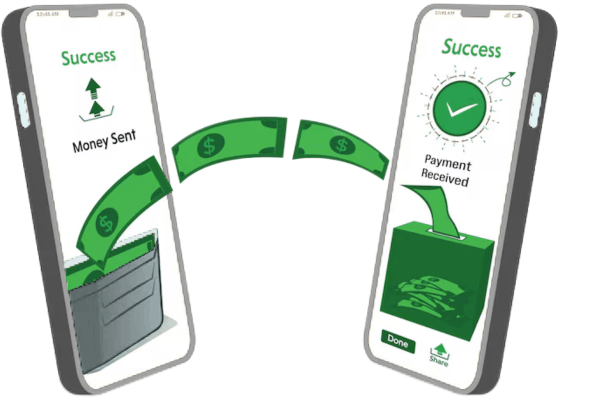
When you pay from the wallet, the money goes straight to the recipient. Because the funds are already available, there is no waiting on banks or long processing steps. The whole payment feels quicker and a lot easier to manage.
For businesses, it means fewer slowdowns and a clearer grip on outgoing payments, making day to day money management feel easier.
Digital Wallet in FiChecks: How It Works
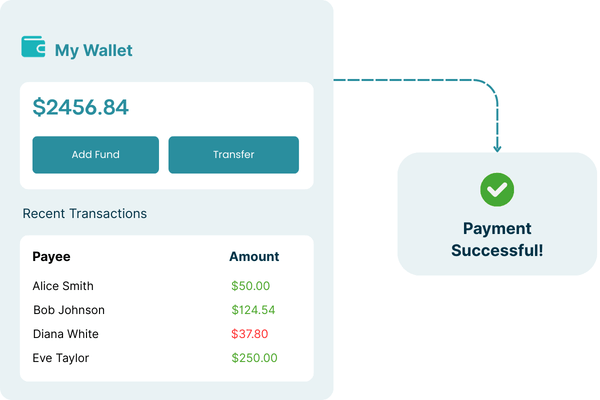
In FiChecks, the digital wallet is built to make payments easy to handle. Users simply add funds to the wallet, and once the balance is ready, they can send payments right away without extra steps.
The wallet keeps things simple. You pay from a ready balance, so you don’t have to keep typing your bank or card details every time.
This approach makes things simpler. Finance teams can clearly see how much money is available, and payments can be made right away whenever they are needed.
Benefits of Using a Digital Wallet
Instant Payments
One of the main advantages of a digital wallet is how fast it is. Payments can be sent right away from the wallet balance, helping businesses avoid the usual delays.
Better Payment Control
Because the wallet is funded in advance, businesses can easily see how much money they have ready to use. This gives better control over spending and makes budgeting and planning feel more straightforward.
Convenience and Simplicity
There is no need to enter bank or card details each time a payment is made. This saves time and reduces repetitive work.
Reduced Manual Effort
Digital wallets cut down on a lot of the manual work that comes with traditional payment methods. As a result, finance teams can spend less time on repetitive tasks and focus more on the work that really needs their attention.
Easy Tracking
Each time you make a payment from the wallet, it automatically gets logged. That makes it easier to see where money is going and keeps account reconciliation much more manageable.
Common Use Cases for Digital Wallet Payments
A digital wallet is useful in many real world situations.
Many businesses use wallet balances to pay vendors when money needs to move quickly. They are also commonly used for contractor payments, especially when sending funds right away is important.
Refunds and internal transfers also benefit from wallet based payments because of their speed and simplicity. Online payments can be processed quickly without depending on slower payment workflows.
Individuals may use digital wallets for peer payments, small purchases, or fast transfers where convenience matters.
Digital Wallets and Other Payment Methods
Digital wallets are useful, but most businesses still need different ways to pay. Some payments are easier to handle with checks, while others make more sense through ACH or wire transfers depending on what the situation calls for.
Checks remain important for vendors that prefer traditional payment methods. ACH payments work well for scheduled transfers. Wire transfers are often used for urgent or large transactions.
Using different payment methods depending on the situation gives businesses flexibility and reduces payment friction.
How FiChecks Supports Multiple Ways to Send Money
FiChecks is built to help businesses manage different payment needs from one platform. A digital wallet is one option, but it works alongside several other methods.
With FiChecks, users can create checks online and print them instantly. Checks can also be sent by email as eChecks or mailed through USPS or FedEx when physical delivery is required.
Users can also choose from different payment options like ACH payments, wire transfers, digital wallet payments, or card payments. Having multiple choices makes it easier for finance teams to pick the method that fits each payment situation best.
FiChecks brings these options together so payments remain organized and easy to manage.
Why Businesses Are Choosing Digital Wallets
Businesses today need payment tools that support speed and flexibility. Digital wallets help you send money instantly without making things feel complicated.
They also help reduce operational delays. Instead of waiting for external processing, payments can move as soon as the wallet balance is available. This improves vendor relationships and supports smoother business operations.
For growing companies, digital wallets also make payment management more predictable.
Best Practices for Using a Digital Wallet
It helps to look at wallet balances from time to time and add money based on what you expect to pay soon. When you keep track of how the wallet is being used, it becomes easier to stay on budget and avoid spending more than you planned.
Using a structured payment platform like FiChecks ensures that wallet payments fit into broader financial workflows and reporting processes.
Combining wallet payments with other options such as checks and bank transfers creates a balanced and flexible payment strategy.
Conclusion: Using Digital Wallets for Simple and Efficient Payments
A digital wallet makes payments easier to deal with. You add money to it, and after that paying is quick and almost instant. There is less waiting, fewer steps, and everything just feels more straightforward.
In FiChecks, the digital wallet keeps things clear and easy. You manage a visible balance without storing bank or card details, which makes handling funds feel simple and secure. Combined with options like online checks, eChecks, ACH transfers, wire transfers, and card payments, FiChecks gives businesses multiple ways to send money from one platform.
For businesses and individuals who want payments to be faster and easier to manage, combining a digital wallet with tools like FiChecks just makes sense. It helps keep things simple, organized, and more convenient in everyday use.