
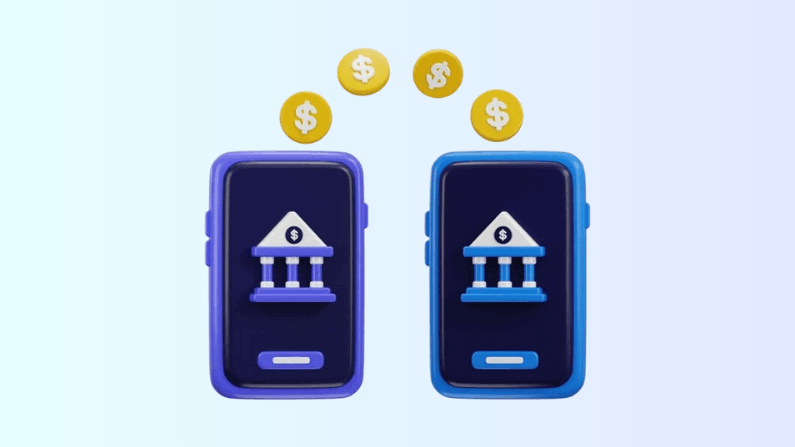
Direct deposit makes paying employees and vendors easy. Businesses send funds straight to bank accounts, and recipients enjoy quicker payments with no waiting or paperwork.
As finance teams look for ways to reduce manual work and improve payment reliability, direct deposit stands out as a practical and trusted option. It fits well into modern payroll systems and helps businesses keep payment records organized and secure.
What Direct Deposit Means in Everyday Business
Direct deposit is a method of sending money electronically from a business bank account to an employee or recipient bank account. The payment goes directly into the recipient account without requiring a physical check or in person handling.
In most cases, direct deposit is used for payroll, but it is also common for contractor payments, reimbursements, and recurring payouts. The process feels simple for the recipient. The money hits their account on payday, no bank visits or check deposits needed.
For businesses, direct deposit removes many of the steps associated with paper based payments.
How Direct Deposit Works in Simple Terms
The direct deposit process is simple. A business collects the employee’s or recipient’s bank details, such as the account and routing numbers, and stores them securely in the payroll or payment system.
When it is time to pay, the business sends a payment file through a bank or payment platform. The money moves electronically from the business account to the recipient’s account and usually shows up on the scheduled payday.
Users do not need to deal with paperwork or physical checks. Everything is handled online, which saves time and makes payment management simple.
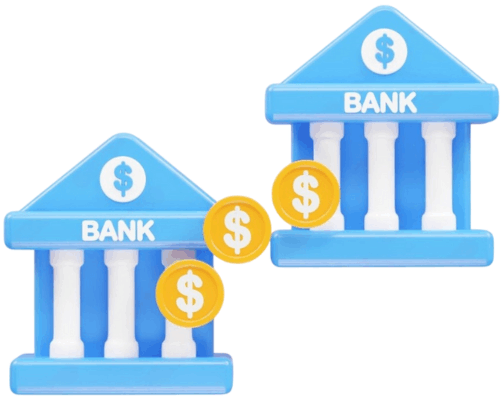
Why Businesses Prefer Direct Deposit for Payroll
Many businesses use direct deposit because it makes payroll easier and cuts down on manual work. Printing, signing, and handing out checks can take hours each pay cycle, while direct deposit automates most of the process.
Direct deposit gives employees peace of mind. Payments arrive on time and go straight to their bank account, even when they work remotely or travel.
Direct deposit grows with your business. It works the same way for a small team or a large workforce.
Key Benefits of Using Direct Deposit
- Faster and Predictable Payments
Direct deposit just makes sure people get their money when they’re supposed to. No waiting, no stress.
- Less Paper and Manual Handling
With paper checks, teams spend time printing, signing, and mailing each payment. Direct deposit removes most of this work and frees up valuable time.
- Improved Security
Electronic payments add a strong layer of security by reducing fraud risks and protecting sensitive data with access controls and secure systems.
- Better Record Keeping
Digital payment systems automatically store transaction records. With everything digital, reconciling accounts, creating reports, and completing audits becomes fast and hassle-free.
- Cost Efficiency
Businesses save on check stock, printing, postage, and storage. Over time, these savings really add up.
Common Business Use Cases for Direct Deposit
Direct deposit is widely used across many business scenarios.
Payroll is the most common use case. Companies pay full time employees and hourly workers through scheduled deposits.
Contractor payments are another common example. Freelancers and vendors usually prefer electronic payments because they’re faster and avoid delays.
Businesses also use direct deposit for reimbursements, commissions, bonuses, and other recurring payments. Any situation that involves regular or large-volume payouts works well with this method.
How Direct Deposit Fits Into Modern Payment Workflows
Today, businesses rarely rely on a single payment method. While direct deposit is excellent for payroll and recurring payments, checks and other digital payment methods still play an important role.
Some vendors like to be paid by check, while others prefer wire transfers or digital wallets. A flexible payment system lets your team choose the right method for each situation.
How FiChecks Supports Direct Deposit and Multiple Payment Methods
With FiChecks, businesses can manage all their payments from one platform. Direct deposit fits seamlessly into a broader workflow that includes both digital and check-based payments.
FiChecks makes managing payments simple and hassle-free. You can instantly create and print checks, send eChecks by email, mail checks through USPS or FedEx, make ACH and wire transfers, and use digital wallets or card payments, all from one platform.
This flexibility lets businesses manage payroll, vendor payments, refunds, and internal transfers, all without juggling multiple tools.
FiChecks brings check workflows and electronic payment methods together in a single system, making it easier to manage cash flow and track transactions.
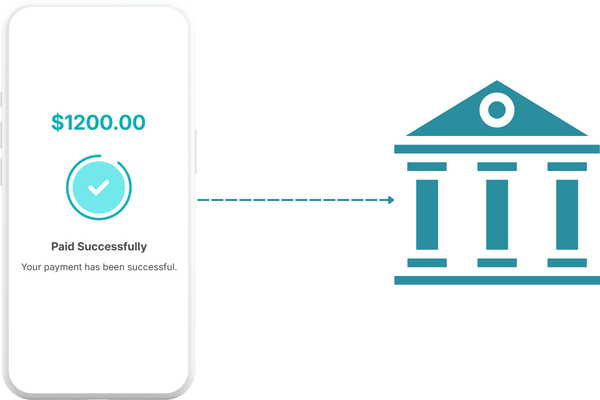
Direct Deposit vs Checks: When Each Makes Sense
For regular payments like payroll or scheduled payouts, direct deposit takes the hassle out of paying people. It’s fast, dependable, and can run automatically.
Checks still work in some situations. Like when a vendor needs one, or you’re sending a refund and don’t have their bank info.
Using direct deposit and online checks together makes paying people simple, whatever way you need to send the money.
Security and Compliance Considerations
Payment security is a top priority for finance teams. Direct deposit systems use secure banking networks and encryption to protect sensitive data.
Access controls, audit logs, and approval workflows help stop unauthorized payments. Digital records also make compliance checks and financial audits much easier.
When combined with platforms like FiChecks, businesses gain visibility into all outgoing payments, whether they are direct deposits, checks, or other digital transactions.
Why Businesses Are Moving Toward Direct Deposit
With remote work and teams spread across the world, direct deposit has become the go-to. Businesses just want a way to pay people that’s simple, reliable, and works at any scale.
Direct deposit gets people paid on time, keeps them happy, and saves you a lot of hassle. For finance teams, it provides clear visibility into cash flow and payment schedules.
As businesses modernize their financial operations, direct deposit is often one of the first systems they adopt.
Conclusion: Modernize Payments with Direct Deposit and Flexible Tools
Direct deposit plays a major role in modern payment workflows, helping businesses pay people quickly and securely while giving recipients a hassle-free experience.
At the same time, businesses still need flexibility to send money in different ways. With FiChecks, companies can use direct deposit alongside online checks, eChecks, mailed checks, ACH payments, wire transfers, digital wallets, and card payments.
If you want to simplify payments and cut down on manual tasks, direct deposit and a unified platform like FiChecks make a smart, future ready choice for your business.