
Introduction
Even with all the digital payment options we have now, knowing how to fill a check is still a great skill to have. Plenty of businesses and people still use them when they need a clear paper trail or a more controlled way to send money.
Whether you’re paying your rent, settling bills, or managing business costs, knowing how to fill out a check correctly keeps things moving smoothly. It helps you avoid annoying errors or delays at the bank, and it’s still a really handy financial skill to have in your back pocket.
What Does It Mean to Fill A Check
Filling out a check means you’re just providing the bank with all the details they need to move your money. You just need to write down the date, who you’re paying, the exact amount, and then add your signature to make it official.
Accuracy is essential. A small mistake can lead to a rejected payment or delays in processing. Since checks are official financial documents, every detail needs to be clear and correct.
Knowing how this works helps your payments go through without any issues and keeps your records accurate.
Parts of a Check Explained
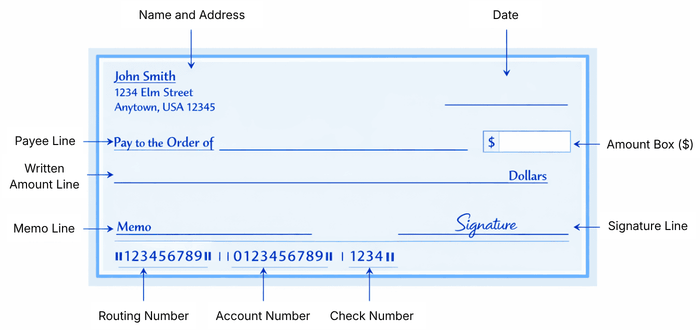
Before you fill a check, it helps to understand its key sections.
The date field shows when the check is issued. This helps banks and recipients know when the payment was created.
The payee line requires the accurate name of the recipient or entity to facilitate correct deposit processing.
The amount in numbers is written in the box provided. This represents the exact value of the payment.
The amount in words confirms the same value written in numbers. If something isn’t clear later, this helps clear things up.
The memo section is optional but useful. It can include notes such as invoice numbers or payment details.
Signature authentication is requisite for transaction authorization and instrument validity.
How to Fill A Check Step by Step
Filling a check is simple once you follow the right steps.
Write the current date clearly and accurately in the designated date field.
Now, just write who the payment is going to on the payee line. Double check the spelling to avoid issues during deposit.
Input the numerical value into the designated field without extraneous spacing.
Write the same amount in words on the line below. This helps confirm the payment value and prevents alterations.
Use the memo line to keep track of what the payment is for.
Finally, sign the check using your authorized signature. This step completes the process and makes the check ready for use.
Common Mistakes to Avoid
Inaccurate check completion results in processing delays or banking failures.
Numerical and written amounts must be identical to avoid processing errors.
Missing signatures can make the check invalid. Always ensure the check is signed before handing it over.
If the writing is hard to read, it can create confusion and may even result in the check getting rejected. Writing neatly helps avoid misunderstandings.
Leaving blank spaces is another risk. Empty areas can be misused or altered, so it is better to fill them properly.
Taking a moment to review the check before issuing it can prevent these issues.
When and Where Checks Are Still Used
Checks remain utilized in numerous contexts.
Rent payments are a common example, especially when landlords prefer a formal payment method.
Checks are a go-to for paying vendors since they leave a clear trail for your records.
Checks facilitate formal or large-scale transactions requiring rigorous documentation.
In some cases, checks are preferred for transactions that require additional control or verification.
Even with so many digital tools out there, sometimes a check is still the easiest way to get the job done.
Fill A Check vs Digital Check Writing
Writing checks by hand is a bit of a chore and requires your full attention. While it gets the job done, it’s slow and it is way too easy to make a mistake.
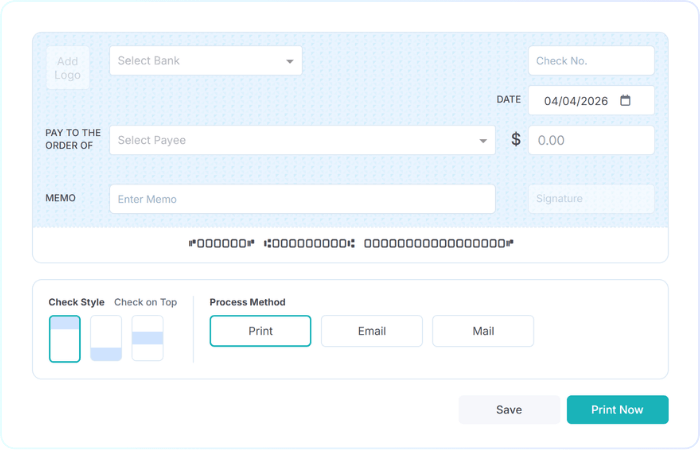
Digital check writing makes things easier. You can skip the pen and paper by using software to create and print your checks in seconds.
It speeds things up and cuts down on mistakes, while making it much easier to keep track of your records.
While both methods serve the same purpose, digital solutions bring added convenience and accuracy.
Challenges and Considerations
Keep these few check-related challenges in mind.
Losing or damaging a paper check is a real headache, especially when you’re on a deadline. It can hold up your payments and cause unnecessary stress when timing is everything.
Check clearing requires extended processing times relative to digital transfers for bank verification.
Keeping a tab on your checks makes managing your money a whole lot easier. It helps you stay on top of your balance and ensures no payment slips through the cracks.
Being aware of these factors helps you use checks more effectively.
Security and Best Practices
Strict check security is essential to prevent financial fraud.
Always store your checkbook in a safe place to prevent unauthorized access. Avoid sharing signed blank checks under any circumstances.
When you fill a check, use a pen and write clearly to prevent alterations. It is also a good practice to review all details before issuing the check.
Maintaining a check log facilitates expenditure tracking and early anomaly detection.
Adhering to these protocols ensures check transaction security and reliability.
FiChecks Integration
Writing out checks by hand gets old fast, especially when you have a pile of them. FiChecks makes the whole thing much faster and more practical.
With FiChecks, you can create and print checks online instantly. It saves you the trouble of writing them out by hand and helps keep everything error-free.
You can send checks as eChecks via email or have them delivered by USPS or FedEx. It’s an easy way to get payments where they need to go, however you prefer to send them.
FiChecks handles more than just checks. You can also manage ACH, wire transfers, digital wallets, and card payments all from one place, making it easy to keep track of everything.
By combining traditional and digital options, FiChecks makes it easier to manage payments with better control and flexibility.
Conclusion
Filling out checks correctly is a necessary technical skill. Adherence to formal completion protocols minimizes transactional discrepancies and ensures the streamlined processing of financial instruments.
At the same time, modern tools have made check management more efficient and less time consuming. By combining traditional knowledge with digital solutions, businesses and individuals can handle payments more effectively.
FiChecks takes the headache out of managing payments by keeping everything in one reliable spot. It simplifies the whole process, helping you stay organized and confident that your checks are handled correctly every time.