
These days, sending money to other countries is just part of life. Businesses pay overseas suppliers, hire people from anywhere, and serve customers all over. People also send money internationally for family support, investments, or travel related expenses.
Sending money across borders needs reliable systems that manage currency differences, banking rules, and processing times. Businesses and finance teams look for options that are secure, predictable, and easy to manage. Knowing how international payments work helps companies pick the right tools and make cross border payments smoother.
What International Payment Means in a Global Business Environment
International payments are simply sending money from one country to another. This could mean a business paying a supplier overseas, an employer sending wages to a remote worker, or someone transferring funds to family or personal accounts abroad.
Unlike sending money locally, international payments have to pass through several banks and follow rules in different countries. Things like currency conversion, fees, and how long it takes to settle all play a part in the process.
For businesses, sending money to other countries is about more than just the payment. They’re what let companies work with partners, pay people, and keep customers happy no matter where they are.
How International Payments Work in Simple Terms
Sending money abroad is simple. You pick the bank or app, enter who it’s for and the currency, and the money makes its way there, converting if needed.
Banks and payment apps take care of the complicated stuff, like checking the rules and converting currencies. How fast the money gets there can change depending on the method, the countries, and local regulations.
For users, the goal is simple. Just get the payment done. Send money securely, make sure it arrives on time, and keep clear records for accounting and reporting.
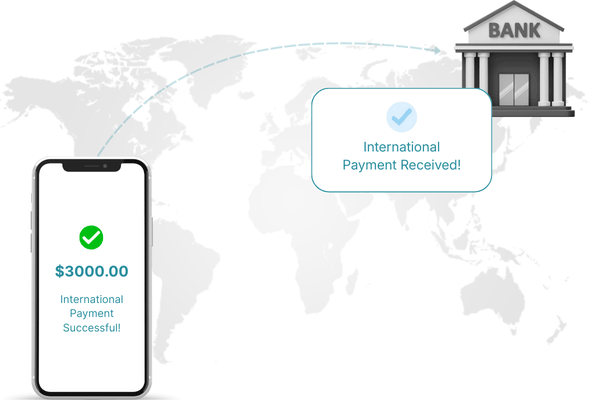
Key Benefits of International Payment for Businesses
- Global Reach
International payments let businesses work with partners and customers anywhere in the world. Companies are no longer limited by location when sourcing suppliers or hiring talent.
- Faster Cross Border Transactions
These days, sending money abroad is a lot faster. Some transfers might still take a couple of days, but many let you move money quickly and even track it in real time.
- Currency Handling
International payment systems handle currency conversion, letting businesses pay in local currencies. This makes global transactions easier and keeps things clear for recipients.
- Improved Cash Flow Management
By picking the right payment methods and timing, businesses can manage outgoing cash flow more effectively across different markets.
- Better Record Keeping
Digital platforms store transaction histories and reports, making it easier to reconcile accounts, prepare audits, and track international expenses.
Common Use Cases for International Payment
People use international payments all the time, whether it’s for business or personal reasons.
Companies frequently pay overseas vendors for manufacturing, software services, and consulting. Another big reason businesses use international payments is to handle payroll for remote teams and contractors around the world.
Businesses also send refunds and payouts to international customers and partners. Individuals use international transfers to support family, invest overseas, or cover education and travel expenses.
With business happening all over the world, sending money abroad has become a normal part of how companies manage their finances.
Different Ways to Send International Payments
Sending money internationally isn’t the same every time. Businesses pick different ways depending on how fast it needs to get there, how much it costs, and what works best for the person receiving it.
Wire transfers are often used for large international and corporate payments. ACH systems are usually for domestic transfers and some cross border payments. Digital wallets and card payments offer convenient options for online purchases and smaller transactions.
A flexible payment platform offers multiple options, letting finance teams pick the method that works best for each situation.
How FiChecks Supports International Payment and Multiple Payment Methods
FiChecks makes it simple for businesses to handle all their payments in one place. Since sending money internationally usually involves a mix of digital transfers and checks, FiChecks keeps everything together so it’s easier to manage.
With FiChecks, users can:
- Make international payments
- Create checks online and print them instantly
- Send checks by email as eChecks
- Mail checks through USPS or FedEx
- Make ACH payments
- Send wire transfers
- Use digital wallet payments
- Use card payments
With FiChecks, businesses can take care of both local and international payments all in one place. Teams can send money, keep track of everything, and pick the easiest way to pay each person no matter where they are.
International Payment vs Domestic Payment: Key Differences
Sending money within the same country is usually pretty simple. It stays in one bank, uses one currency, and gets there faster because there’s less red tape.
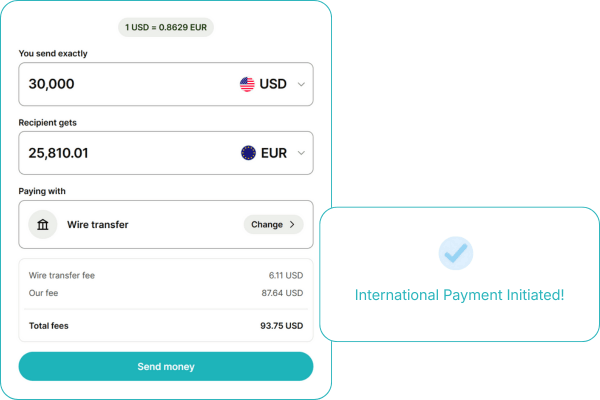
Sending money to another country can be tricky. You have to handle currency, follow the rules, and sometimes go through a few banks. It can take longer or cost more, so businesses have to keep an eye on every payment.
Knowing how things work makes it easier for finance teams to plan payments and let partners abroad know what to expect.
Security and Compliance in International Payments
Security matters a lot when you’re sending money abroad. Every transaction must follow local and global regulations, including anti money laundering and know your customer requirements, to keep funds and businesses protected.
Banks and payment platforms keep money safe using things like encryption, ID checks, and monitoring transactions. They also provide digital records so businesses can stay on top of compliance and quickly sort out any problems.
Using a centralized platform like FiChecks gives you a clear view of every outgoing payment, helping you catch errors early and reduce the risk of unauthorized transactions.
Why Businesses Are Expanding Their International Payment Capabilities
With globalization, remote work, and online business, sending money abroad has become a normal part of life. Businesses need an easy and reliable way to pay partners, hire people, and do business anywhere in the world.
Reliable cross border payment tools help companies grow without delays or confusion. Fast processing, clear fees, and built in reporting make it easier to manage operations and plan finances with confidence.
As businesses grow globally, international payments are no longer just a routine task. They have become an important part of strategy and planning.
Conclusion: Simplify International Payment with Modern Tools
Sending money across borders is part of life for businesses and people alike. Whether it’s paying a supplier overseas, sending a teammate their salary, or transferring cash to family, it needs to be easy, safe, and stress-free.
If your business needs to send money abroad, FiChecks makes it simple. You spend less time on paperwork, things run smoother, and you always know where your payments are.