
Introduction
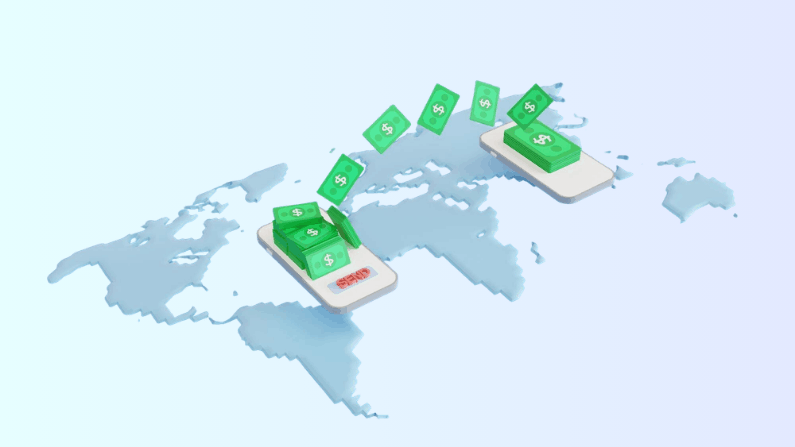
Cross-border payments are now part of everyday life. Businesses pay suppliers in other countries, companies hire people from around the world, and individuals send money abroad for personal needs. All of this relies on smooth and dependable ways to move money across borders without complications.
Modern systems have turned the headache of international transfers into a straightforward process. Once you see how the gears turn, you can manage your global payments with total peace of mind.
How Cross-Border Payments Work
The execution of cross-border transfers necessitates the formal entry of recipient data, including bank account specifications and geographical destination. Following initiation, the financial architecture facilitates the regulated movement of capital between discrete national jurisdictions.
Most international transfers involve a currency swap. Your money is simply converted into the local currency based on the current rates to make sure the right amount lands in the recipient’s account.
Intermediary financial institutions are integrated into the settlement process to facilitate fund routing between the originating and destination banks. This architecture is utilized primarily in instances where a direct correspondent relationship between the two primary entities has not been established.
Once all the steps are finished, the money lands right in the recipient’s account. While this may take longer than domestic transfers, the process is designed to ensure accuracy and compliance.
Benefits of Cross-Border Payments
One of the biggest advantages of cross-border payments is global reach. Businesses are no longer limited to local markets. They can pay suppliers, partners, and employees anywhere in the world.
This also supports business expansion. Companies can work with international vendors and enter new markets without worrying about payment limitations.
You’ve also got plenty of options. With so many ways to send money abroad, you can easily pick the one that fits your timeline and budget best.
For individual users, cross-border payment mechanisms facilitate the transfer of capital to family members or the settlement of international financial obligations with increased efficiency.
In aggregate, international financial mechanisms function as the primary conduits for cross-jurisdictional capital flow, enabling the integration of diverse economic actors and regions within a singular global marketplace.
Common Use Cases
Cross-border payments are widely used in business operations. Companies often pay international vendors for goods and services. These transactions are what keep global supply chains moving from one place to another.
Disbursement of funds to remote personnel serves as a key utility for cross-border payment systems. Organizations with international labor requirements necessitate formalized infrastructure to facilitate the systematic transfer of capital across diverse regulatory jurisdictions.
Remote team salaries also depend on cross-border payments. As remote work becomes more common, companies need efficient ways to handle payroll across locations.
Global eCommerce relies heavily on these payments. To sell to customers everywhere, businesses need reliable systems that can handle international transactions smoothly.
Personal remittances constitute a primary transaction volume. These fund transfers are executed to facilitate the maintenance and financial requirements of family members across various international jurisdictions.
Cross-Border Payments vs Domestic Payments
Unlike domestic transfers, which settle almost instantaneously within a single jurisdiction, international capital movements require multi-stage processing across discrete financial networks, resulting in an extended temporal framework for finality.
International processing durations are extended by supplementary requirements, including currency conversion and intermediary bank involvement. These factors necessitate additional time compared to domestic transfers.
You will often notice that sending money across countries ends up costing more than expected. Exchange rates and transfer fees add to the overall expense.
International payments usually involve more steps and require you to share a lot more details to get everything right. Accuracy becomes even more important to avoid delays.
Cross-border payments facilitate operations beyond local jurisdictions, which is a fundamental requirement in the contemporary global environment. Despite inherent complexities, this capability remains essential for maintaining a global presence.
Challenges and Considerations
International transfers are convenient, but it’s wise to watch the exchange rates so you get the most out of your money. They can shift quickly, which might change the final amount that actually lands in the account.
Don’t forget to account for transfer fees. They change depending on how you’re sending the money and where it’s headed, so it’s always smart to check the cost before you commit.
International transaction cycles generally require more time than domestic transfers. To ensure timely settlement, it is necessary to initiate these payments in advance of specific deadlines.
Regulatory frameworks and multi-jurisdictional compliance mandates represent additional systemic variables within the transactional architecture. Different countries have their own rules for financial transactions, and payments must comply with these regulations.
Operational precision is critical, as incorrect details often result in transaction delays or failures. Thorough validation of all payment information is required to ensure successful processing and avoid technical errors.
Security and Reliability
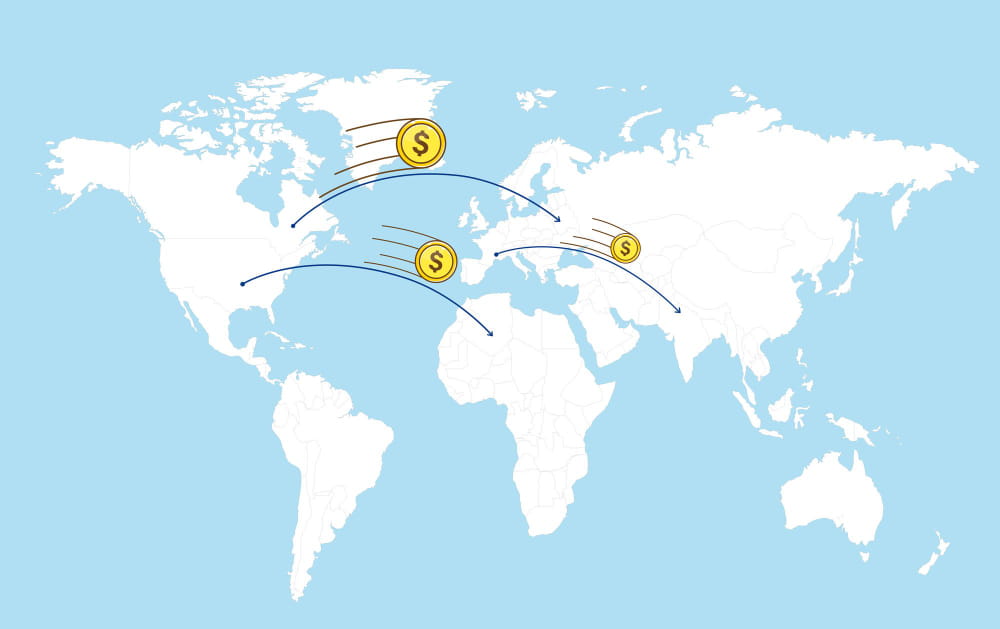
Security is a major focus in cross-border payments. Systems use authentication methods to verify users and ensure that only authorized transactions are processed.
Compliance checks are also built into the system to keep things safe. They help catch fraud and make sure every payment follows international rules, so you don’t have to worry about the red tape.
Transaction tracking enables users to monitor payment progress in real time. This functionality enhances transparency and facilitates the efficient resolution of any issues that may occur during the process.
Maintaining proper records is important for both businesses and individuals. It supports financial management and helps with reporting and audits.
With these measures in place, cross-border payments can be handled safely and reliably.
How FiChecks Supports Cross-Border Payments and More
FiChecks provides a comprehensive platform for managing cross-border and domestic payments within a single interface. This consolidation of various payment methods optimizes transaction management and eliminates the requirement for multiple independent tools.
With FiChecks, users can create checks online and print them instantly. If a physical check needs to be sent, FiChecks can mail it through USPS or FedEx. The platform takes care of printing, packaging, and delivery, which simplifies the process.
You can speed things up by sending checks digitally as eChecks. Plus, FiChecks lets you switch between ACH, wires, digital wallets, or cards, so you always have the best way to pay whether you’re sending money across town or across the world.
FiChecks gives you more ways to move your money, making it easy to stay in control of both local and international payments without the stress.
Conclusion
Cross-border capital transfers constitute an integral component of contemporary financial frameworks, enabling commercial entities and private actors to maintain economic connectivity and execute transactions across diverse national jurisdictions.
Sending money across borders might involve a few more hoops than a local transfer, but having that kind of global reach is a total game-changer.
Managing cross-border payments alongside your other transactions is much smoother with a platform like FiChecks. By simplifying the entire process and offering a variety of options, it gives you the confidence to handle international transfers without the usual headache. It really takes the guesswork out of moving money globally so you can focus on what matters.