
Money transfer overseas means sending funds from one country to another. What used to be a complicated process handled mostly by large corporations is now part of everyday business and personal finance. Small companies pay international suppliers. Startups hire remote teams across borders. Families send support to loved ones living abroad.
Global business and personal finance now often require international payments. They are part of normal operations. The main focus is on sending money overseas in a way that is safe, efficient, and avoids unnecessary expenses.
Understanding how overseas transfers work helps you make better decisions and avoid delays or surprises.
How Money Transfer Overseas Works
Overseas transfers refer to the transfer of funds between individuals or entities located in different countries. Although several intermediary systems may be involved, the transaction proceeds according to a standardized and sequential process.
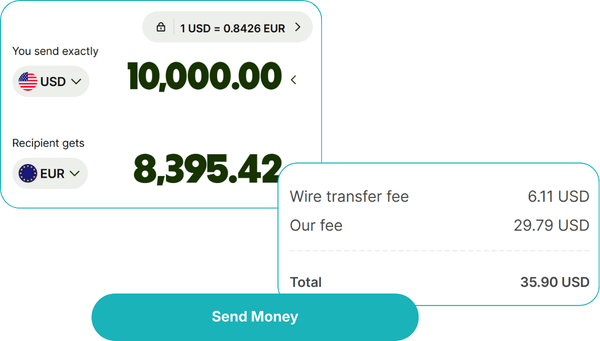
First, you send the money through a bank or payment service. If the transfer is in a different currency, it gets converted at the current exchange rate. That rate decides how much the recipient finally receives.
Next, the funds move through international banking networks. In most cases, overseas payments are processed through wire transfer systems that connect banks across countries. The payment may pass through intermediary banks before reaching the final destination.
Finally, the recipient’s bank credits the funds to the account. Depending on the countries involved and compliance checks, the process may take one to several business days.
The aim is to transfer money across borders in a secure and dependable way so payments arrive as intended.
Common Challenges with Overseas Transfers
Although international payments are common today, they still present a few challenges.
Processing times can vary. Time zone differences, banking holidays, and regulatory checks can delay settlement. Banks and financial services follow international rules to help prevent fraud and illegal financial activity. These checks are necessary but can add extra steps.
Fees are another important factor. Wire transfers often include sending fees, receiving fees, and sometimes intermediary bank charges. Currency conversion margins may also increase the total cost.
Exchange rate fluctuations can affect the final amount received. Even small changes in currency values can impact larger transactions.
Tracking and visibility may be limited with traditional banking systems. Businesses often want better oversight and clearer reporting of their cross border payments.
Being aware of these issues allows businesses and individuals to plan more effectively.
Methods Used for Money Transfer Overseas
Not all payment methods are designed for international use. It is important to understand which tools are suitable for cross border transactions.
Wire transfers are the most common and reliable method for money transfer overseas. The system moves funds between banks in different countries and businesses widely accept it for payments.
Digital wallets send money across borders when both countries support the service. When support exists, this method moves funds faster and makes everyday payments more convenient.
People often use card payments for international purchases, subscriptions, and online services. They provide quick authorization but may include foreign transaction fees.
Choosing the correct method ensures smoother processing and fewer complications.
Real World Use Cases
Sending money overseas helps people and businesses meet everyday financial needs.
Businesses often pay suppliers in other countries for the goods and services they need. Timely payments help maintain supply chains and protect relationships.
Businesses that work with remote employees or contractors in other countries need to make sure they are paid on time and without complications so they can stay motivated and productive. Late payments can affect morale and productivity.
Students send tuition payments to universities abroad. Families send money to help loved ones with financial support when they need it.
Global partnerships may require cross border revenue sharing, consulting fees, or project based payments.
In all these cases, accuracy, speed, and clarity matter. A dependable international payment setup reduces stress and strengthens trust.
How FiChecks Supports Flexible Payment Management
International payments may call for wire transfers or other supported digital methods, but most businesses deal with a blend of local and overseas transactions every day. That mix is exactly why having flexible payment options makes such a difference, since you can choose what works best instead of forcing every payment into the same mold.
FiChecks supports multiple ways to send money from one platform. You can create checks online in minutes and print them right away when you need a physical check. You can also send checks by email as eChecks for faster delivery. If you need physical mailing, you can mail checks through USPS or FedEx directly from the platform.
When it comes to moving money electronically, FiChecks gives you options that fit real situations. You can use ACH for everyday domestic payments, choose wire transfers when a payment is urgent or involves a larger amount, and even handle overseas transfers when needed. Digital wallet payments make it easy to move money quickly, and card payments give you another practical option for sending or receiving funds when you need a simple and flexible way to complete transactions.
With FiChecks, businesses avoid being limited to a single payment method. You can use ACH or checks for domestic payments and choose wire transfers when sending money internationally. Having everything in one system makes it simpler to track payments and understand where your money is going, so you can stay organized and in control without needing to switch between different tools.
Finance teams can work more efficiently without switching between separate tools. Business owners gain better oversight of cash flow and financial operations. Individuals find it easier to manage both local and international obligations.
Final Thoughts
These days, sending money to another country does not feel like a rare event. A business owner might send money to pay an overseas supplier, a company founder could transfer salaries to remote team members, or an individual may simply be helping family members with financial support in another country. Even though it has become routine, cross border payments still need careful handling and the right tools to avoid delays, confusion, or extra costs.
Understanding how international transfers work, recognizing common challenges, and choosing suitable payment methods can make the process far more predictable.
Using different apps just to send a payment can make the process feel more complicated than it should be. With FiChecks, everything lives under one roof. You can send a check, run an ACH payment, wire money overseas, use a digital wallet, or pay by card without switching platforms. It feels simpler, more organized, and a lot easier to stay on top of your money in a world where payments never really slow down.
In a world where borders matter less in commerce, managing payments efficiently matters more than ever.