
Introduction
P2P payments have become a normal part of how people move money today. Whether it is splitting a dinner bill, paying a freelancer, or sending money to family, the process is now quick and simple.
Whether you’re running a business or just paying a friend, skipping all the red tape makes life a lot easier. Once you get the hang of how these quick payments work, you’ll save yourself a ton of time and hassle.
What are P2P Payments
P2P payments, or peer to peer payments, allow individuals to send money directly to another person using a digital platform or banking system. There is no need for cash or physical checks in most cases.
Most of these apps let you link your bank or card to send money in a few taps. Once you’re set up, moving cash back and forth is incredibly fast and easy.
The main idea behind P2P payments is simplicity. Instead of relying on traditional processes, users can complete transactions in just a few steps.
How P2P Payments Work
It’s honestly a breeze to send money these days.
First, a user signs up on a payment platform and links their bank account or card. This step ensures that funds can be sent and received securely.
Just pick who you’re sending money to by typing in their phone number, email, or username. It’s as simple as finding a contact in your phone.
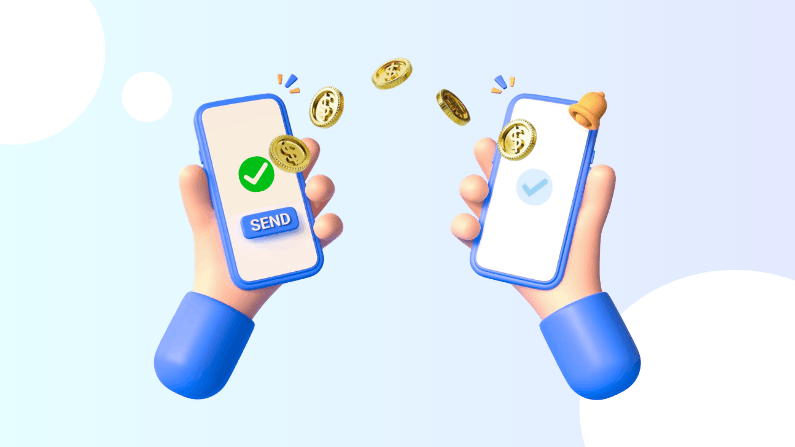
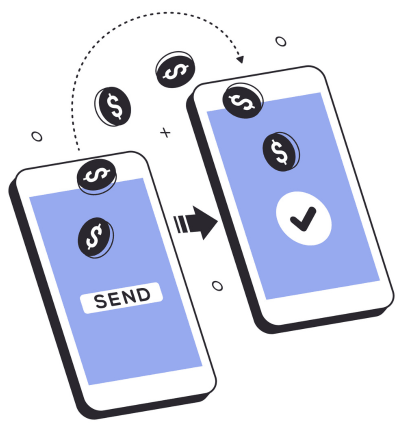
After that, the sender enters the amount and confirms the payment. The system verifies the details and processes the transaction.
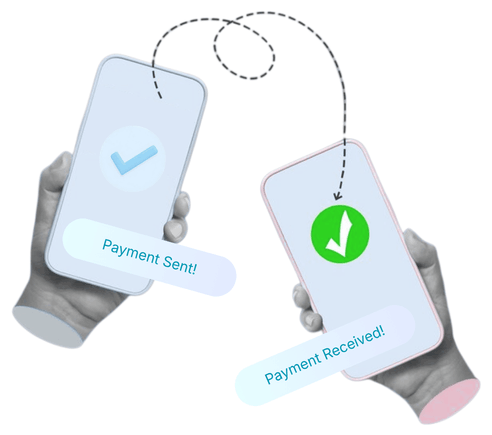
Most of the time, the cash moves instantly. The other person gets a quick alert, and the money is ready for them to use right then and there.
Benefits of P2P Payments
The best part about these apps is how easy they are. You can send money whenever you want without ever having to step into a bank or hunt for a checkbook.
Speed is another major benefit. Many transactions are completed within seconds, making it ideal for urgent payments.
They’re a total breeze to use. Most platforms are designed to be simple, even for users who are not familiar with financial systems.
It’s also incredibly convenient. As long as you have your phone or a Wi-Fi signal, you can handle your money from pretty much anywhere.
Common Use Cases
P2P payments are used in a wide range of everyday situations.
Splitting expenses is one of the most common uses. Friends can quickly divide bills for meals, travel, or shared purchases.
Sending money to family is a huge help, whether you’re just helping out with a quick gift or sending regular support. It’s a simple way to look out for each other.
Freelancers and small businesses love these quick payments because they’re so simple. It’s a great way to get paid right away without waiting around for the money to hit.
Reimbursements are another example. Whether it is covering shared costs or paying someone back, P2P payments make the process smooth.
P2P Payments vs Traditional Payment Methods
When comparing P2P payments to traditional methods, the differences are clear.
Writing checks takes a bit more time and effort. They still have their uses, but they aren’t your best bet if you’re in a rush to send money.
ACH transfers are great for saving money on fees, even if they’re a bit slow. They’re perfect for those regular bills you don’t need to worry about right away.
Paying with a card is quick, but the fees can really add up, especially if you’re running a business.
P2P payments offer a balance of speed and ease of use. However, each method still serves a purpose depending on the situation.
Challenges and Considerations
Sending money through apps is really handy, but it’s still smart to keep an eye on a few things.
Transaction limits can vary between platforms. This might put a cap on how much you can send in one go.
Some services have fees, especially if you need money sent instantly or for business. It’s always worth a quick look before you hit send.
There is also a dependency on apps and internet access. Without connectivity, transactions cannot be completed.
Accuracy is important. Sending money to the wrong recipient can be difficult to reverse, so details must always be checked carefully.
Security and Reliability
Security is a key part of P2P payments.
Most sites use things like passwords, quick codes, or your fingerprint to keep your account safe. It’s just an easy way to make sure you’re the only one getting in.
Encryption helps keep transaction data safe during transfers. This ensures that sensitive information is not exposed.
Most systems keep an eye out for anything fishy. This helps catch weird activity and stops fraud before it even happens.
It’s smart to keep good records. It helps you stay on top of your spending and makes it way easier to sort out any problems that pop up.
FiChecks Integration
Juggling different payments is a headache. FiChecks makes life easier by putting everything you need in one spot.
With FiChecks, users can create checks online and print them instantly. This is useful for situations where traditional payments are still required.
You can send checks quickly via email or have them delivered by USPS or FedEx. It’s all about choosing whatever works best for you at the moment.
In addition to supporting P2P payments, FiChecks allows users to make ACH payments, send wire transfers, use digital wallets, and handle card transactions.
You can manage personal and business payments in one place, so you don’t have to bounce between different apps. It’s much easier to just handle everything in one spot.
Conclusion
Sending money to someone used to be a hassle, but now it’s as quick and easy as sending a text. They are now a key part of everyday financial activity for both individuals and businesses.
Old-school ways to pay still work, but most of us are moving toward anything that’s fast and easy. In the end, the best method just depends on how much control you need and how quickly you want to get things done.
Tools like FiChecks pull all your payment options into one place. It makes staying organized and handling your bills feel a lot less like a chore. Using a single platform just makes managing your money much simpler and more practical.