
Introduction
To receive payments smoothly is one of the most important parts of managing money, whether you run a business or handle personal finances. Getting paid on time keeps operations moving, helps maintain cash flow, and reduces unnecessary stress.
Historical methodologies involved the manual processing of physical currency and delayed check clearances; contemporary digital frameworks have superseded these protocols with expedited, multi-channel acquisition systems that facilitate systematic data logging and administrative efficiency.
What Does It Mean to Receive Payments
Getting paid is just collecting what you’re owed, whether it’s from a customer, a boss, or a tenant for the work or items you’ve provided.
It doesn’t always follow the exact same steps, but the result you’re aiming for is always the same. You want the payment to reach you safely, accurately, and on time.
With modern tools, receiving payments is no longer limited to physical methods. Digital platforms allow you to collect money in a way that fits your workflow, whether that is through bank transfers, checks, or other payment options.
How Receiving Payments Works
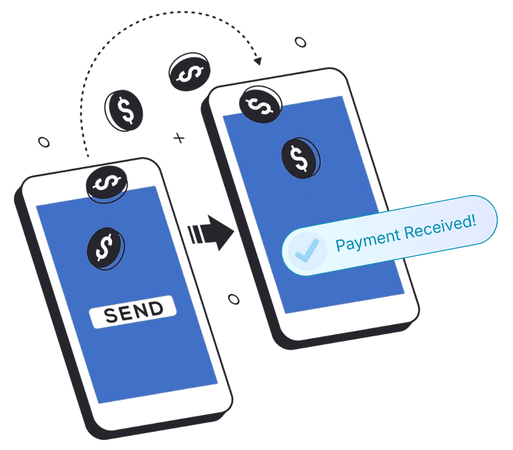
The process of receiving payments usually starts with a request. This could be an invoice, a bill, or a simple payment instruction shared with the payer.
Once the payer receives the request, they choose how they want to send the money. It might come in as a bank transfer, a card payment, or even a check, depending on how the payment is set up.
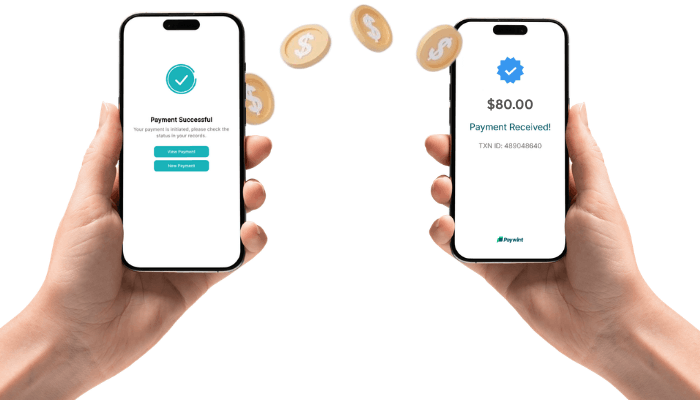
After the payment is sent, it goes through the selected system and makes its way to your account. You’ll get a confirmation as soon as everything is completed.
Most modern systems take care of recording the payment for you. That means it’s much easier to keep track of incoming money, match it with your accounts, and keep your records clean and organized.
Different Ways to Receive Payments
You’ve got more than one way to get paid, and what works best really depends on how you’re running your business.
- Checks are still widely used, especially for business transactions. With digital tools, you can receive checks without dealing with manual paperwork.
- ACH is what many businesses use when they want payments to move straight between bank accounts without any hassle. It’s a practical choice for both one off payments and regular, scheduled ones.
- When a payment is large or needs to go through fast, wire transfers are usually the go to option.
- Card payments are convenient and widely accepted, especially for customer transactions.
- Digital wallets and mobile payments provide fast and flexible options, particularly for everyday use.
When you have more than one way to get paid, it becomes much easier to deal with different kinds of transactions as they come up.
Benefits of Efficient Payment Collection
When you receive payments efficiently, it has a direct impact on your financial health.
Faster payments improve cash flow, which is critical for businesses that need to manage expenses and operations.
It also gives you better control over your finances. You can see exactly what has been received and what is still pending.
An efficient system improves the experience for your customers or clients. When it is easy to pay you, payments are more likely to happen on time.
Diminishing manual labor requirements facilitates operational optimization, as automated tracking and digitized documentation maximize temporal efficiency while mitigating error frequency.
Common Use Cases
Numerous daily scenarios necessitate the execution of inbound financial transfers.
Businesses collect payments from customers for products or services. This can include one time purchases or recurring billing.
Clients usually send payment after they’re invoiced or once a chunk of the work is done and ready to be billed.
Payroll is usually handled through automated transfers or different payout methods, so employees get paid without manual work each time.
Individuals may receive refunds, rental income, or transfers from family members.
In all these cases, having a simple and reliable way to receive payments makes a big difference.
Receive Payments vs Manual Collection Methods
Conventional collection methods involving physical tender and paper instruments require manual intervention, leading to systemic latency and increased administrative overhead.
Digital systems make it much easier to receive payments. Transactions can be completed remotely, and records are stored automatically.
Tracking is another key improvement. Instead of maintaining physical records, you can access all payment details in one place.
Most people prefer going digital because it’s just faster and easier than doing things by hand.
Challenges and Considerations
Modern systems notwithstanding, various complexities remain inherent in the payment acquisition process.
Delayed payments can still occur, especially if the payer does not complete the transaction on time.
Inaccurate payment credentials cause transaction failure or capital disbursement delays.
Structured organization of diverse payment methods is essential to prevent administrative confusion and maintain financial oversight.
Monitoring incoming payments is critical for financial oversight, particularly within high-volume transactional environments.
Identification of these variables enables the implementation of a more robust payment architecture.
Security and Reliability
Security plays a major role when you receive payments.
Authentication protocols verify user identity prior to transaction execution to mitigate unauthorized access risks.
Transactions are monitored to detect unusual activity. If something does not look right, the system can take action to protect the account.
Unified digital repositories streamline transaction auditing and simplify reconciliation by negating the necessity for manual physical archive retrieval.
With the right platform, receiving payments can be both safe and reliable.
FiChecks Integration
FiChecks offers a flexible way to receive payments while also giving you multiple options to manage outgoing and incoming transactions.
With FiChecks, users can create checks online and print them instantly when needed. This is useful for businesses that still rely on check based payments.
You can also send eChecks to get your money where it needs to go much faster. It’s a simple, digital way to skip the mail and keep things moving.
If you need to send a physical check, FiChecks takes care of the busy work for you. Just select the mail option and they will handle the printing, stuffing, and shipping via USPS or FedEx so you don’t have to.
Beyond just checks, FiChecks handles everything from bank transfers to card payments and digital wallets. It’s a simple way to keep all your money coming into one place without the extra clutter.
Centralizing diverse payment scenarios within a single interface eliminates the requirement for multiple platforms and optimizes operational efficiency.
Conclusion
Efficient payment collection ensures financial stability and operational continuity. Optimized processing minimizes administrative friction and maintains objective liquidity standards.
Modern payment systems have made the process easier by reducing manual work and improving tracking. With multiple payment options available, users can choose what works best for each situation.
Platforms like FiChecks bring everything together by offering a simple way to receive payments while also supporting different payment methods. It helps you keep things in order, stay on top of your cash flow, and feel more in control of your finances.