
Introduction
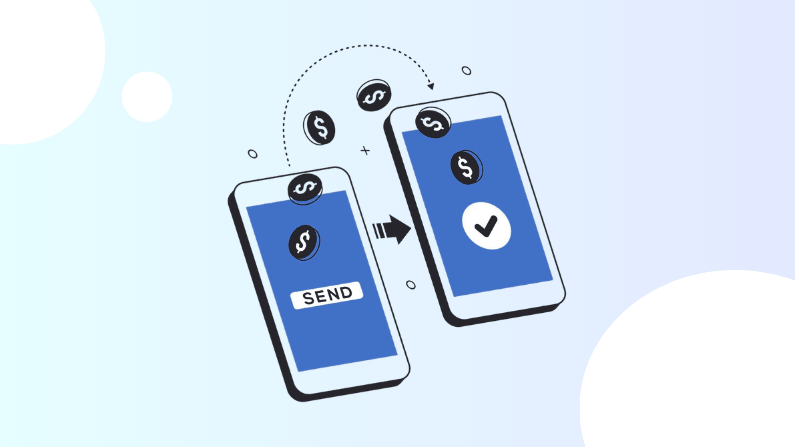
Today, people want to send money without waiting days for it to arrive or worrying about whether it will get there safely. Whether it’s a business paying vendors and employees or someone sending money to family, modern payment methods have made the whole process quicker, smoother, and far more convenient than it used to be.
Sending money used to mean bank lines, cash, or mailing paper checks. Today, you can pay online from anywhere, which cuts out the wait times and makes running a business way simpler.
What Does It Mean to Send Money
Sending money simply means transferring funds between parties to cover invoices, salaries, rent, products, or general business expenses.
Different situations require different payment methods. Businesses use checks for formal records, and ACH, wires, cards, or digital wallets for faster processing.
Today’s payment apps make it way easier to control your money and keep track of where it’s going.
How Money Transfers Work
Most money transfers follow a similar process. The sender first enters the recipient’s information and selects a payment method based on the type of transaction.
Once you check the info and hit send, the app does its thing behind the scenes to make sure the money gets right to them.
Depending on how you pay, the money might land instantly or take a couple of working days. When businesses are choosing a payment method, they usually balance three things: speed, fees, and the size of the transfer.
Different Ways to Send Money
- Checks are still huge for official stuff like payroll and paying vendors because they leave a clear paper trail and everyone accepts them.
- eChecks are just regular checks but completely online, skipping the mailbox entirely so people get paid way faster.
- ACH systems clear funds directly between bank accounts, serving as the standard infrastructure for automated, recurring transactions like payroll and recurring invoices.
- When someone needs to move a serious amount of money fast, especially to another country, wire transfers are usually the first thing that comes to mind.
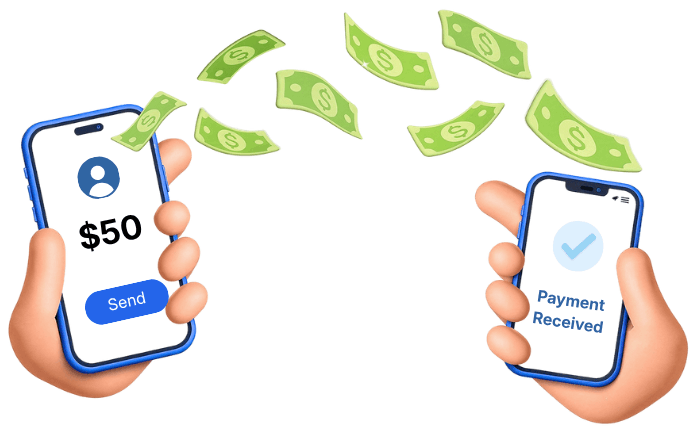
- Card payments keep things easy, while apps let you send cash straight from your phone.
Having choices makes it way easier to pay or get paid exactly how you want.
Benefits of Modern Money Transfers
Modern payment systems make it easier to send money without depending entirely on physical paperwork or in person banking.
Honestly, it’s just way faster, and you can do it all from your phone wherever you are.
Another important benefit is payment tracking. Many platforms store transaction history automatically, making accounting and financial organization easier.
Giving clients more ways to pay means you get cash faster and spend way less time chasing paperwork.
Common Use Cases
Businesses and individuals send money for many different reasons every day.
Payroll processing is one of the most common examples. Companies also send vendor payments, contractor payments, subscription fees, and customer refunds regularly.
They are also exactly what you use to buy stuff online, pay rent, clear bills, or send cash overseas.
For freelancers and remote workers, these apps are a lifesaver. You can get paid or send cash across the globe in seconds without the usual hassle.
Send Money vs Traditional Payment Methods
Dealing with cash and writing checks is just a massive time-suck. You waste half your day running to the bank, filling out forms, or tracking people down just to hand over money.
Modern digital transfers simplify much of this process. Payments can be sent online, tracked digitally, and managed more efficiently from one platform.
Ditching paper for digital means you actually know where your receipts are when you need them.
The old ways still work, but new apps are just way faster and easier.
Challenges and Considerations
Going digital makes life way easier, but you still can’t just operate on autopilot.
Different payment methods come with different fees. Plus, some apps cap how much you can send at once or make you wait a few days for the money to actually clear.
One wrong digit can easily delay your cash or send it to a total stranger. It gets even trickier when you send money overseas, thanks to extra bank rules and constantly shifting exchange rates.
Keeping your receipts and tracking your spending makes tax time and budgeting a whole lot easier. It just saves you from a massive headache later on.
Security and Best Practices
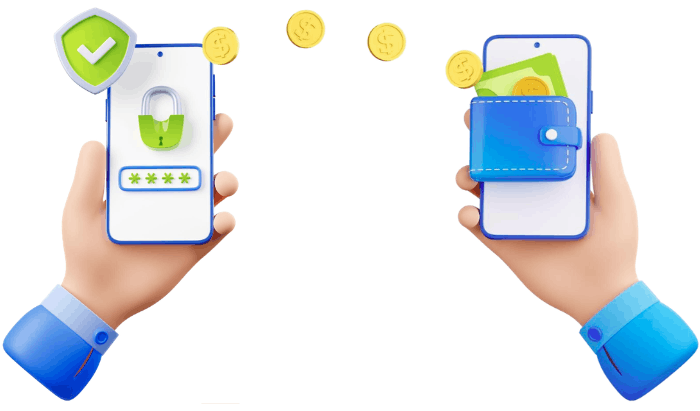
Sending money online can feel a bit risky, so you need to know your cash is safe. Good payment apps handle the security stuff behind the scenes, like monitoring for scams and locking down your account, so you don’t have to worry.
Double-check who you are paying before you hit send. Also, peek at your statements regularly and do not give everyone the keys to your accounts. It is the easiest way to stop scammers in their tracks.
When you keep an eye on your money and keep good records, you always know what is going on. It also makes it much harder for anyone to rip you off.
FiChecks Integration
FiChecks helps businesses and individuals send money using multiple payment methods from one platform.
With FiChecks, users can:
- Create checks online
- Print checks instantly
- Send checks by email as eChecks
- Mail checks through USPS or FedEx, where FiChecks prints, packs, and sends the check on the user’s behalf
- Make ACH payments
- Send wire transfers
- Make digital wallet payments
- Accept and send card payments
This lets you handle regular cash and digital payments all in one spot. It keeps your money organized and puts you back in complete control.
Conclusion
Whether you are paying your team, settling an invoice, or just shopping online, you need a payment system that is fast, secure, and easy. Today, having flexible ways to move money is not just a nice perk, it is how we keep life and business running smoothly.
Keeping track of how you pay and get paid can be a real headache. Platforms like FiChecks put your checks, ACH, wires, digital wallets, and cards into one simple dashboard. You get more control over how you manage and move your money, which means fewer payment headaches and a lot more confidence in your cash flow.