

ACH payments have become a key way for businesses to move money reliably and efficiently. ACH, which stands for Automated Clearing House, lets banks transfer funds electronically between accounts. Rather than using paper checks or expensive wire transfers, businesses can send and receive payments smoothly through established banking networks.
Many businesses turn to ACH for its consistency and reliability. Payments follow a clear process and schedule, helping finance teams plan cash flow with confidence. Whether it’s paying vendors, collecting customer payments, or managing payroll, ACH has built trust by being dependable and widely accepted.
As businesses look to simplify their operations, ACH continues to be a go to choice for bank based payments that emphasize control, clear records, and efficiency.
How ACH Works in Simple Terms
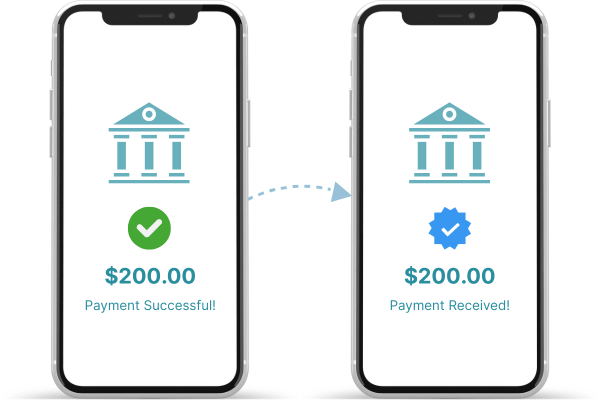
At its core, ACH moves money electronically from one bank account to another. A business starts a payment by submitting the transaction details through a secure system. The ACH network then groups those details together and processes them in batches.
After the ACH network processes the batch, funds move between the sender and recipient banks. Because the timing follows a predictable schedule, businesses know when payments go out and when they should settle.
From a user point of view, ACH is simple and easy to use. There is no need to deal with physical checks or complicated steps. Payments move quietly in the background, while the system keeps clear records for every transaction.
Practical Business Benefits of ACH Payments
One of the biggest benefits of ACH is how predictable it is. Payments move on a clear, known timeline, which helps businesses avoid surprises and plan their cash flow with greater confidence. This reliability is especially helpful for recurring payments.
Lower costs are another reason businesses choose ACH. Compared to wire transfers or card based payments, ACH transactions usually come with lower processing fees. Over time, this can result in meaningful savings for companies that process frequent payments.
ACH also makes record keeping much easier. Every transaction creates a clear digital trail that finance teams can review at any time. This simplifies reconciliation, reporting, and audit preparation, and having all records in one place cuts down on manual tracking.
ACH payments also reduce manual effort. Once businesses set them up, automation handles much of the process. This allows teams to spend less time on payment administration and more time on strategic financial tasks.
Common Business Use Cases for ACH
ACH is commonly used for paying vendors and suppliers. It allows businesses to send payments on a reliable schedule without the hassle of mailing checks or arranging wire transfers.
It’s also a popular choice for payroll, making it simple to deposit employee wages directly into bank accounts while keeping all payment records well organized.
Many businesses use ACH for recurring customer payments like subscriptions, service fees, or installment plans. Because ACH follows a predictable schedule, it helps both companies and customers feel confident about when payments will be processed.
For moving funds between business accounts, ACH provides a straightforward and cost effective option that blends easily into existing banking workflows.
How FiChecks Supports ACH Based Payment Workflows
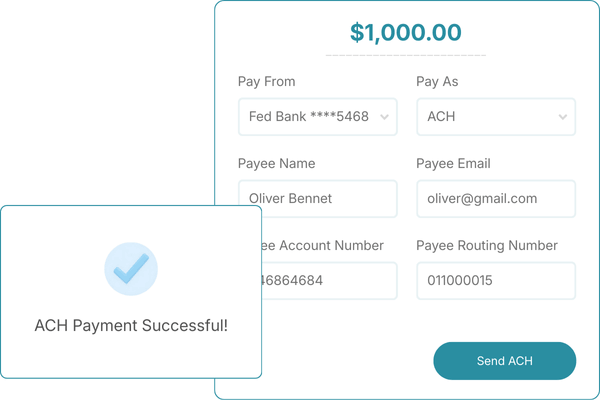
FiChecks supports businesses that rely on ACH and check based digital payments to manage their financial operations more efficiently. The platform is designed to work alongside ACH payments while also supporting digital check workflows, giving businesses flexibility within bank based payment methods.
With FiChecks, teams can oversee payment activity, keep records well organized, and cut down the manual effort that comes with traditional check handling. The platform is built around clarity and control, so finance teams always know what is happening at each step of the payment process.
Why ACH Continues to Be Relevant for Modern Businesses
Even as new payment options appear, ACH continues to play a central role in business finance. With its reliability, cost effectiveness, and organized process, ACH is a solid choice for businesses of any size.
ACH is a great fit for businesses that prioritize reliability and consistency over just speed. While it may not always be instant, it provides consistency and transparency that finance teams can depend on.
By pairing ACH with digital payment tools, businesses can update the way they operate while still maintaining control, oversight, and compliance.
Final Thoughts on Using ACH for Reliable Payment Handling
ACH continues to be a trusted option for businesses that want reliable, well documented movement of funds. With predictable processing times, lower fees, and clear records, it fits naturally into day to day financial operations without adding complexity.
For businesses that rely on bank and check based payments, ACH provides a dependable starting point. Tools like FiChecks make it easier to handle ACH workflows along with digital check payments, keeping everything organized, simple, and easy to manage.
As payment needs change, ACH remains a trusted choice for businesses that want straightforward processes, full visibility, and a payment system designed for steady, long term efficiency.