
Introduction
Vendor payment is the backbone of any healthy business. Paying your suppliers on time keeps daily operations moving and builds real trust with the people who keep your business running.
Paying vendors used to be a real drag, but modern tech changed that. You can skip paper checks and bank runs for faster ways to pay that are way easier to track.
What is a Vendor Payment
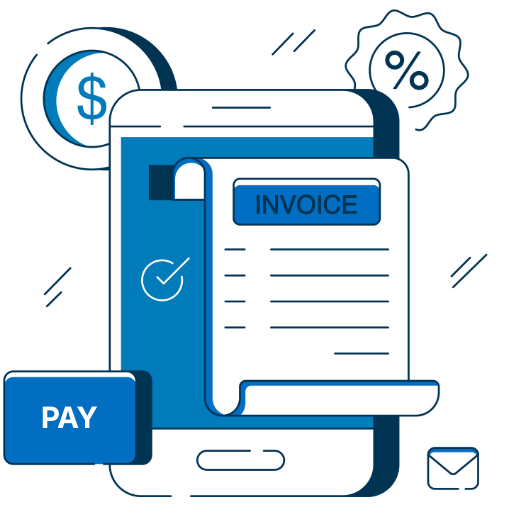
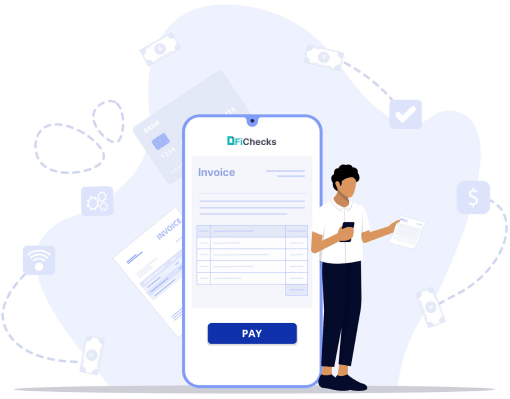
A vendor payment is the process of paying a supplier or service provider for products or services that have been delivered. Businesses receive an invoice, review the charges, approve the payment, and transfer the funds using a preferred payment method.
Paying your suppliers on time builds trust, saves you from annoying late fees, and stops work from grinding to a halt. Plus, keeping those records tidy makes tax time and everyday accounting a whole lot less painful.
How Vendor Payment Works
Paying your vendors is pretty simple once you break it down.
When you get an invoice, just make sure you actually got what you paid for before you hand over any cash.
Once an invoice gets approved, pick the payment option that works best for you, verify the details so there are no mistakes, and send the money on its way.
Hang onto your payment records. It keeps your books clean and clears up any mix-ups down the road.
Common Vendor Payment Methods
You’ve got plenty of ways to pay vendors, depending on how they like to get paid and how fast the money needs to get there.
- Digital checks are still a go-to when you just need solid proof for your records.
- Email checks allow businesses to deliver check payments electronically without mailing a paper check.
- ACH payments make it super easy to clear recurring bills and move money safely between banks.
- Sending money straight bank-to-bank is about as safe and simple as it gets.
- When you need to send a massive payment or push money overseas in a hurry, wires get the job done.
- Card payments offer convenience when vendors accept credit or debit cards.
- If a vendor accepts digital wallets, it’s just way easier to tap or click and pay them on the spot.
- Setting up recurring payments keeps your bills on autopilot, so you waste zero time on admin and never miss a deadline.
Benefits of Efficient Vendor Payment
A well managed vendor payment process offers several advantages for businesses.
When you pay people on time, they actually like working with you, and word gets around that you’re solid.
When you’ve got a handle on your bills, cash stays in your pocket longer and you never get slapped with late fees.
Digital payments take the pain out of bookkeeping. You skip the manual mess, track every penny instantly, and pull up past payments in seconds whenever tax time or an audit rolls around.
Multiple payment options give you the flexibility to pay each vendor whichever way works best.
Common Use Cases
Vendor payments pop up in pretty much every part of business.
You’re constantly cutting checks to suppliers for inventory and office supplies, while contractors and freelancers get paid as soon as they wrap up a project.
Vendor payments cover pretty much every bill you hit, including tech subscriptions, gear, marketing, power, and routine inventory.
It doesn’t matter what industry you’re in, paying suppliers without the headaches just keeps life easier for everyone.
Vendor Payment vs Manual Payment Processing
Doing payments manually means drowning in paper checks, chasing down signatures, and wasting hours on bookkeeping. It slows everything down and makes it way too easy for mistakes to slip through.
Going digital takes the pain out of paying bills. You get to send money faster, track every penny, and skip the mind-numbing paperwork that eats up your afternoon.
A lot of folks still cling to paper checks, but going digital is just way easier if you want to save time and actually see where your money’s going.
Challenges and Considerations
Managing vendor payments requires attention to detail.
Take a second to review invoice numbers and details before signing off. One wrong digit can stall payments or send money off course.
Track your due dates, keep approvals tight, and balance your books so you never end up paying the same bill twice.
Picking the payment method that fits your budget, speed needs, and vendor preferences is the easiest way to keep money moving smoothly.
Security and Best Practices
Security should always be part of every vendor payment process.
Verify your vendors, require a second pair of eyes to sign off on payouts, and watch your bank account like a hawk. That simple routine stops scam artists and keeps your cash secure.
Keeping good records saves you massive headaches during tax season or audits. Just take a second to review payment details and lock down your bank info; it’s the easiest way to stop fraud before it starts.
How FiChecks Simplifies Vendor Payment
FiChecks gives you one flexible spot to handle all your vendor payments, using whatever payment method works best for you.
Whether you want to print checks yourself, email them instantly, or let FiChecks print, pack, and mail them for you via USPS or FedEx, managing your payments takes just a few clicks.
The platform also supports ACH payments, wire transfers, digital wallet payments, and both accepting and sending card payments.
FiChecks brings your payment options together in one place for easier tracking and management. It reduces administrative work and helps you maintain control over your cash.
Conclusion
Paying your vendors on time goes way beyond just clearing bills from your inbox. It keeps your daily operations running smoothly and helps maintain predictable cash flow. It also builds trust with the partners who support your business.
Bringing checks, ACH, wires, cards, and digital wallets together on a platform like FiChecks makes vendor payments easier to manage. You can handle multiple payment methods from one platform, reducing the hassle of managing separate systems. It cuts out the annoying paperwork, gives you a clear picture of where your money is going, and lets you focus on actually running your business.